
This article examines buying strategies discussed during Austin’s 2025 market. It is a historical perspective, not a current rate sheet or proof of a once-in-a-decade buying window . A good purchase still depends on the actual home’s price, financing, condition, and your plans.
The useful opportunities are specific: an assumable lower-rate loan, a builder incentive, or a resale seller willing to negotiate. Each can improve a deal, but each has costs or conditions that a headline can miss. Here is how to compare them without depending on a prediction that Austin prices must rise.
1. Transferable Loans: Yesterday’s Rates in Today’s Market

Remember when mortgage rates were 2–3% in 2020–2021? Many Austin homeowners locked those rates in with FHA and VA loans — and the kicker is, those loans are often transferable with approval under the applicable program and loan terms. A buyer also needs to cover the gap between the purchase price and remaining mortgage balance.
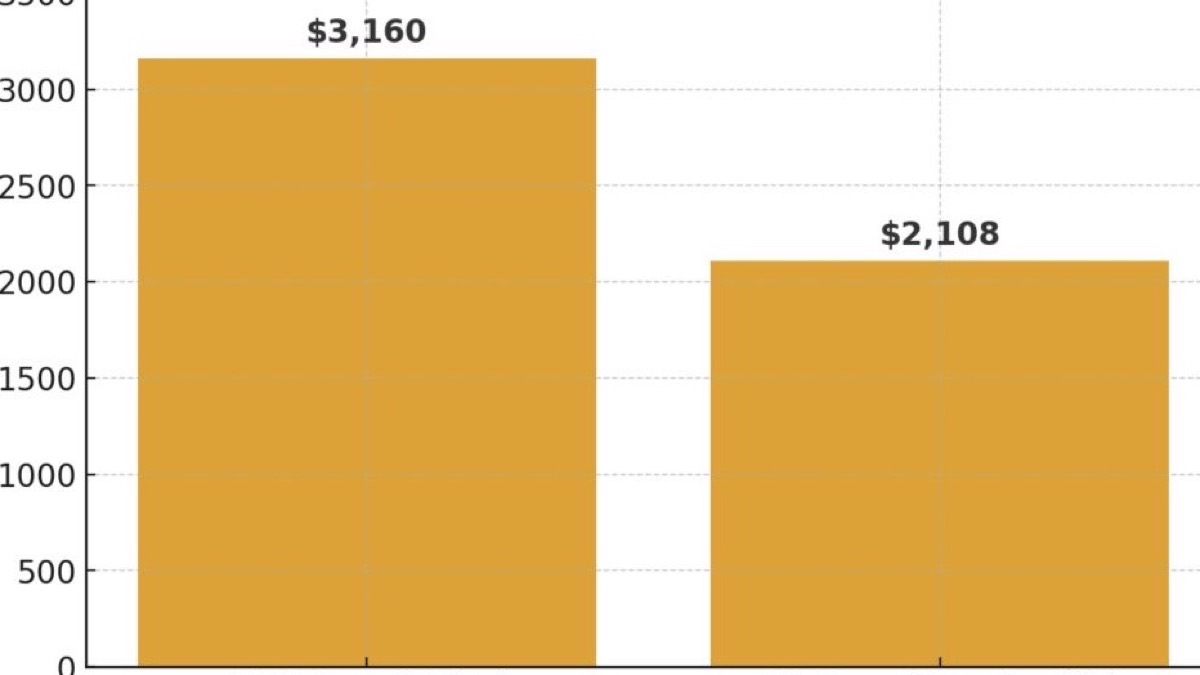
- $500,000 loan at 6.5% = about $3,160/month (principal + interest)
- $500,000 loan at 3% = about $2,108/month
In that equal-balance, equal-term illustration, the difference is about $1,052 a month. It is not a promise of 30 years of assumption savings. If you purchase a $750,000 home with only $500,000 of assumable debt remaining, you still need to cover $250,000 before closing costs. The existing low rate does not apply to that extra money.
2. New Construction: Compare the Incentive With Its Conditions

Builder offers can combine financing help and property upgrades. Ask for a written breakdown of the available incentives and whether the same dollars are being counted twice:
- Closing-cost credits: confirm the amount, eligible uses, and lender conditions.
- A 2–1 temporary buydown: with a 6.5% fixed note rate, payments are subsidized using 4.5% in year 1 and 5.5% in year 2, then reach the full 6.5% payment in year 3. The note rate itself is not an ARM.
- Free upgrades like appliances, flooring, or landscaping
For example, a builder may advertise a $20,000 incentive allowance. If $8,500 funds a temporary buydown, only $11,500 remains for other permitted costs unless the builder separately supplies more. Compare the full year-3 payment and the cash left after closing; do not add the same incentive twice.
3. Pre-Owned Homes: Sellers Are Getting Flexible
A resale seller may also negotiate terms. Ask which of these addresses the obstacle in the actual offer:
- A temporary payment subsidy, with the full note-rate payment affordable after it ends.
- A seller contribution toward eligible closing costs, within the buyer’s loan rules.
- Price reductions when homes linger unsold
A concession can help a buyer short on closing cash; a price reduction can better address an overpriced home. Compare both using the same loan assumptions and the seller’s net proceeds. Neither guarantees approval or future appreciation.
Austin: Test the Property and Your Plans
Austin’s jobs and amenities can make a home appealing, but regional growth does not establish its value. The practical opportunity is a property that works at the agreed price and full ongoing cost.
The phrase best time in a decade is a claim to test, not a reason to rush. Buying may fit a stable budget and a longer stay; renting or waiting may fit a likely move or a budget without reserves. Contact Vladimir Baibus at ATXCasa to compare a specific incentive or assumable listing with the alternatives.
👉 If you’re relocating to Austin or searching for your next home, visit ATXCasa.com for local insights and listings.