
TL;DR
- Before closing, identify 2 trusted individuals to confirm the closing process and payment instructions. Discuss the process by phone or in person and record their contact information.
- Before wiring, verify the account name and number with your trusted representatives in person or using the phone number previously agreed to—not a number or link in an email.
- If funds were misdirected, contact your bank or wire-transfer company immediately and ask for a wire recall. Then file an FBI Internet Crime Complaint Center complaint. Prompt reporting may help; recovery is not assured.
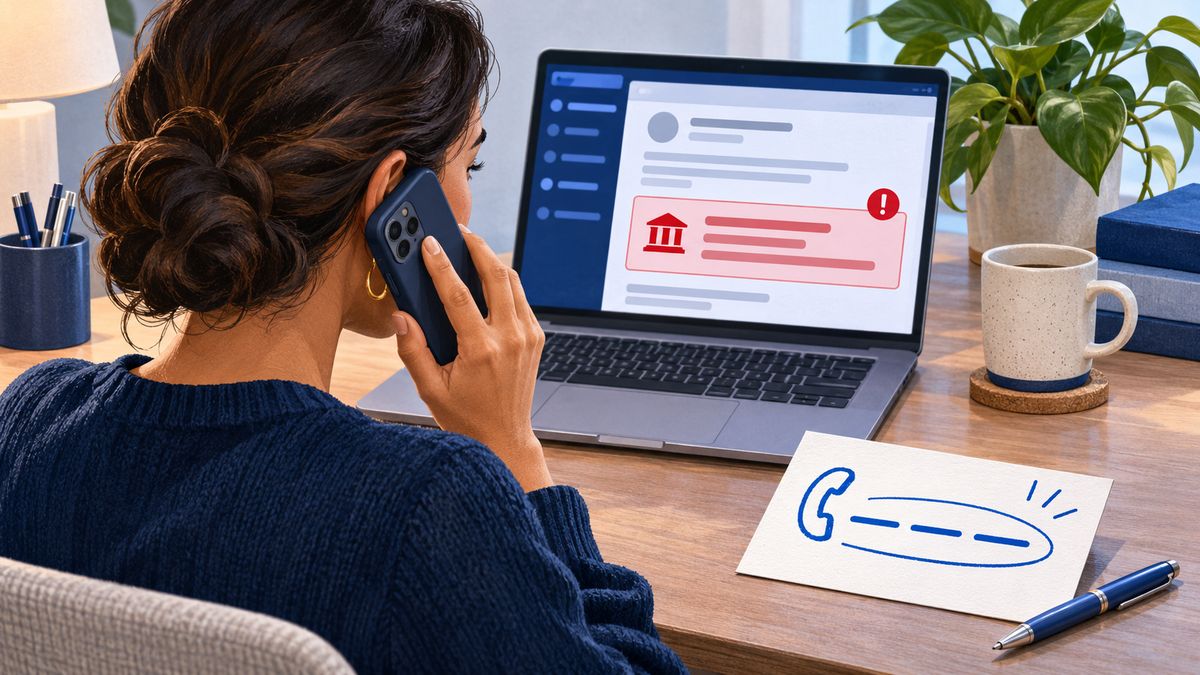
If you are about to send money for an Austin-area home closing and an email changes the receiving account, pause the transfer until you independently confirm the instructions. The immediate question is where your money will go. A message that supplies both a new account and a new callback number cannot serve as its own verification.
The Consumer Financial Protection Bureau (CFPB) recommends confirming the account name and number with trusted representatives in person or using the phone number previously agreed to. That extra conversation takes time, but it gives you a way to check the destination before sending your closing funds.
A $60,000 closing wire and a replacement phone number
Consider this hypothetical example: you expect to wire $60,000 for closing. An urgent email arrives with a different receiving account and a phone number to call for confirmation.
Do not call that replacement number. Call your settlement representative—the person handling your closing—using the number you recorded and agreed on earlier. Confirm the account name and number through that established contact.
If the independently confirmed details differ from the email, do not use the email’s instructions. If you cannot reach a trusted representative, keep the transfer paused and explain the verification problem through your established closing contacts. Ask how the timing affects your closing; do not assume a pause automatically extends a deadline. If the representative confirms the instructions through the trusted route, you have resolved that discrepancy before sending.
The distinction is practical: calling the number in the new message would leave you relying on the same message for both the payment destination and its supposed confirmation. Using the previously agreed number breaks that dependence. This example applies the CFPB’s independent-verification guidance; it does not describe an actual buyer or a typical Austin closing amount.
Set up the verification conversation before closing
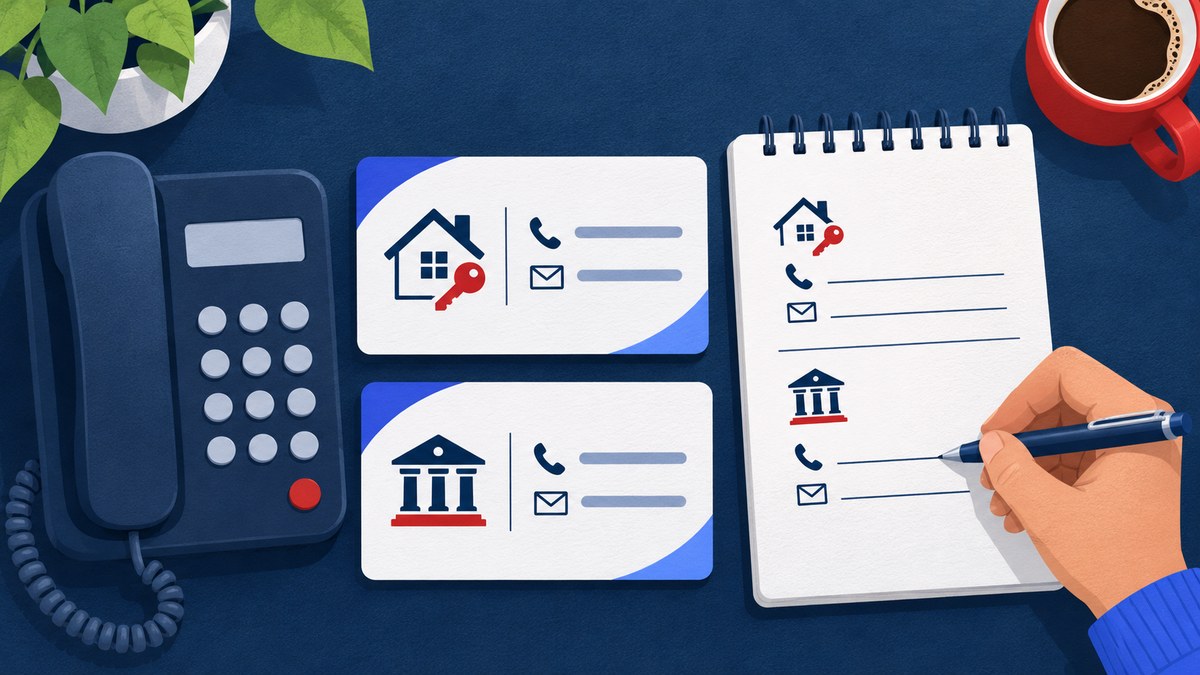
The CFPB advises buyers to identify 2 trusted individuals to confirm the closing process and payment instructions. Discuss the closing and money-transfer process by phone or in person, and write down their contact information before the final rush.
For an Austin-area purchase, apply this to the title, settlement, lender, or real-estate representatives involved in your transaction. Establish who will confirm the payment instructions and which phone number you will use. This is national consumer guidance applied to your local closing, not an Austin-specific rule or a finding about how frequently fraud occurs here.
Use the verification call to resolve concrete details:
- Confirm the receiving account name and number with your trusted representative.
- If the email changed those details, identify the discrepancy and resolve it before sending.
- If the email also changed whom to call, use the previously agreed number or confirm in person instead.
Making this part of your closing preparation reduces the chance that an urgent message becomes your only source of instructions. For broader purchase planning, the Austin Buyer Strategy Guide for Smart Homebuyers provides related reading.

If the money already went to the wrong account
Once funds have been misdirected, the priority changes from checking an email to trying to recover the transfer. Contact your bank or wire-transfer company immediately and ask for a wire recall—a request to recover the money sent. Do not wait for the email sender to explain what happened.
The CFPB says prompt reporting can increase the likelihood of recovery, but recovery is not assured. It also directs affected consumers to file a complaint with the FBI’s Internet Crime Complaint Center, known as IC3. The CFPB page links to that reporting route.
After making the immediate recall request, notify your established settlement contact about the misdirected funds and discuss what it means for the pending closing. A recall request does not establish that the money has been recovered or that closing can proceed as planned.
Frequently asked questions
Does a changed email prove that someone is committing fraud?
No. A change alone does not establish who sent it or why. You do not need to make that determination before protecting the transfer: independently confirm the account details through the trusted route before relying on the message.
What if I never wrote down a trusted phone number?
Do not let the questionable email supply the number you use to verify itself. The CFPB also permits verification with your trusted representatives in person. Arrange that confirmation before wiring, and establish the phone number you will use for any further questions.
Sources
- Consumer Financial Protection Bureau: Mortgage Closing Scams—How to protect yourself and your closing funds. Page last modified June 25, 2026; retrieved November 23, 2026. National guidance on trusted contacts, account verification, wire recalls, and reporting.
Preparing for an Austin-area closing? Contact Vladimir Baibus · ATXCasa for help organizing your closing questions and identifying which settlement representative should confirm payment instructions. Account verification belongs with your trusted closing representatives. ATXCasa is affiliated with LPT Realty.