

This 2025 comparison is a starting shortlist, not a ranking of future returns. Cedar Park, Round Rock, Leander, Pflugerville, and Manor offer different routes, housing types, and ownership costs. The useful question is which specific home fits your week and your budget.

1. Cedar Park – Balanced suburban growth with great proximity to Austin
Homes for sale in Cedar Park remain a strong choice for buyers who want suburban comfort plus easy access to Austin. Cedar Park often offers more selection than many central areas while still staying close to major employers, shopping, and daily conveniences.
With more listings available and less competition than peak years, buyers can take a breath, compare options, and negotiate more confidently than during the 2021-2022 boom.
2. Round Rock and Leander – A growth corridor with long-term upside
The Homes for sale in Round Rock and Homes for sale in Leander corridor continues to attract families and professionals thanks to strong amenities, access to jobs, and a broad range of housing options.
Compare each address’s roads, utilities, school assignment, and nearby services. Planned infrastructure can improve access, but construction delays and additional housing supply can change the benefit. Growth alone does not guarantee resale value.
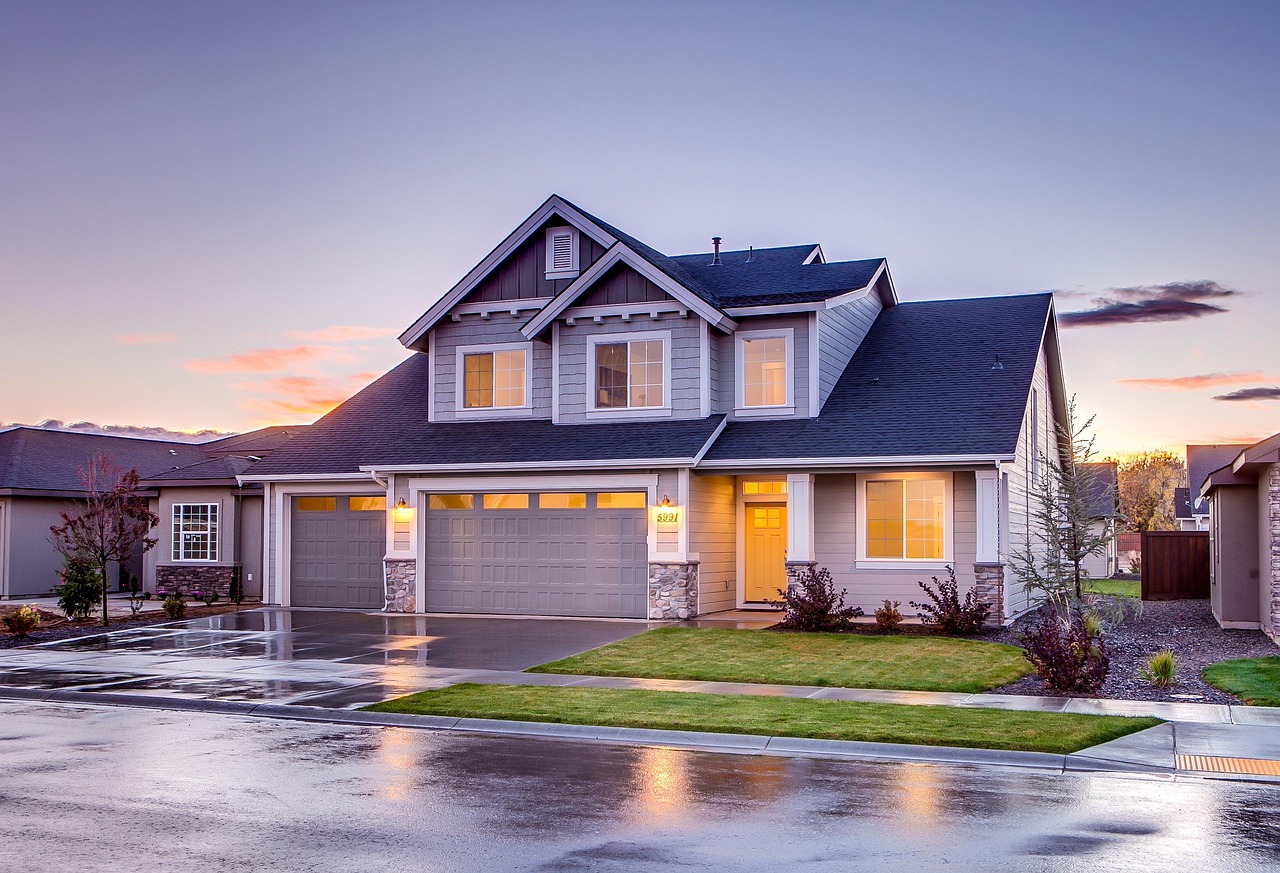
3. Pflugerville and Manor – Emerging suburbs for value-focused buyers
For buyers prioritizing affordability and upside, Homes for sale in Pflugerville and Homes for sale in Manor can be compelling. As supply grows across the Austin metro, these areas may offer more accessible price points than some closer-in neighborhoods.
Compare the full cost of specific homes here with alternatives elsewhere. A hypothetical $25,000 price saving can be outweighed over time by higher taxes, tolls, or maintenance; it is not proof that one city is the better value.
What makes these suburbs attractive in 2025
The overall housing market across the Austin metro has leaned more buyer-friendly than recent peak years. When inventory rises and homes sit longer, buyers get more selection, more time to decide, and more leverage in negotiations.
That advantage can show up differently by suburb – whether you are looking at resale homes, new construction, or entry-level areas with more room to grow.
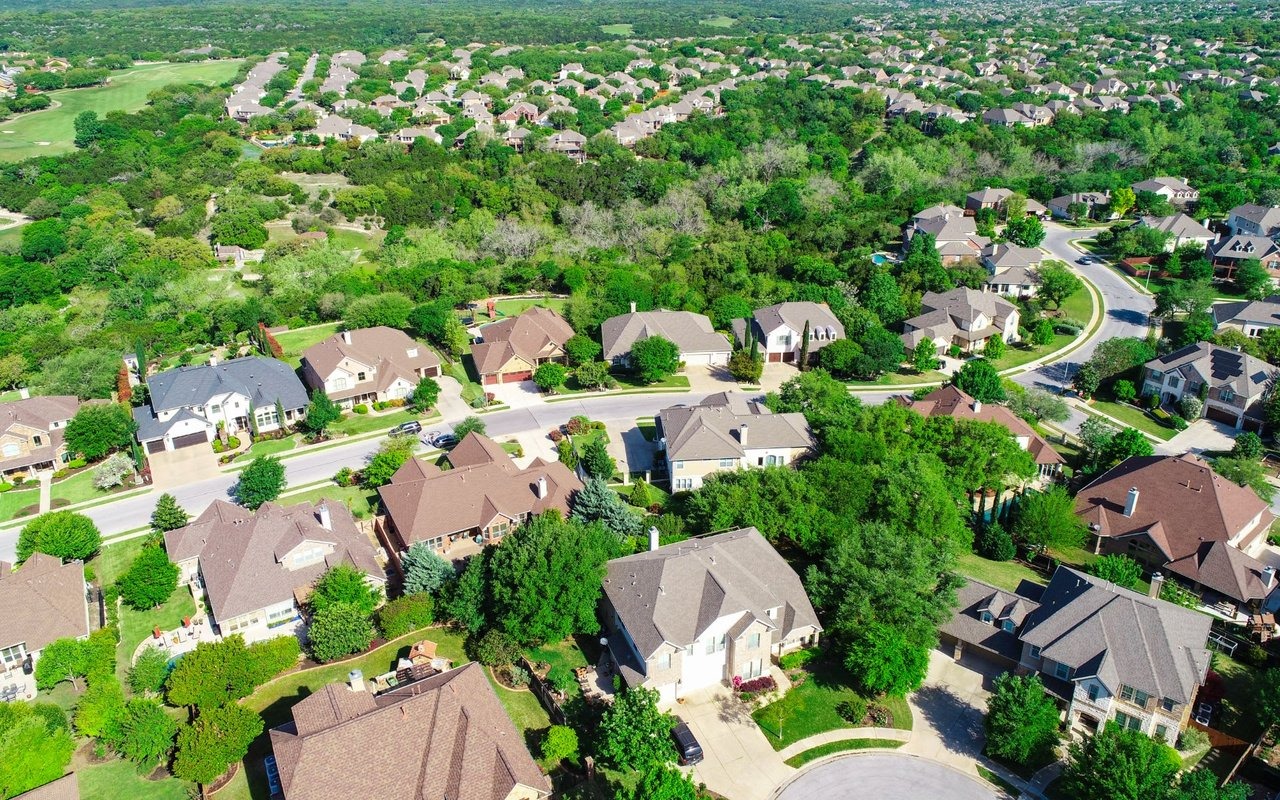
How to choose the right suburb for you
- Start with lifestyle needs: Write down the destinations you visit each week, then test routes from actual listings at those times. City names alone do not establish a short commute.
- Think long-term: Check what you would do if plans changed and you needed to sell sooner. Use comparable closed sales, competing new construction, condition, and total ownership costs instead of assuming growth will cover the cost of moving.
- Use data to guide you: Compare active listings on Browse All Homes for Sale with sold comps from See Recently Sold Nearby to confirm value before committing.
Next steps for suburb-hunters
For a concrete comparison, suppose one home costs $150 less per month but adds 20 minutes each way to a commute made 3 days a week. That is about 8 extra hours of driving per month. Decide whether the savings suit your priorities. Send me your budget, regular destinations, and must-have features, and I can help build a property shortlist: About me: Vladimir Baibus Realtor.