The explosive growth of Central Texas has turned towns like Kyle into major residential hubs, attracting thousands of new homeowners priced out of the Austin area’s homes for sale market. Yet, much of the resulting commercial development has been monolithic, focused on big-box retail and logistics along the I-35 frontage.
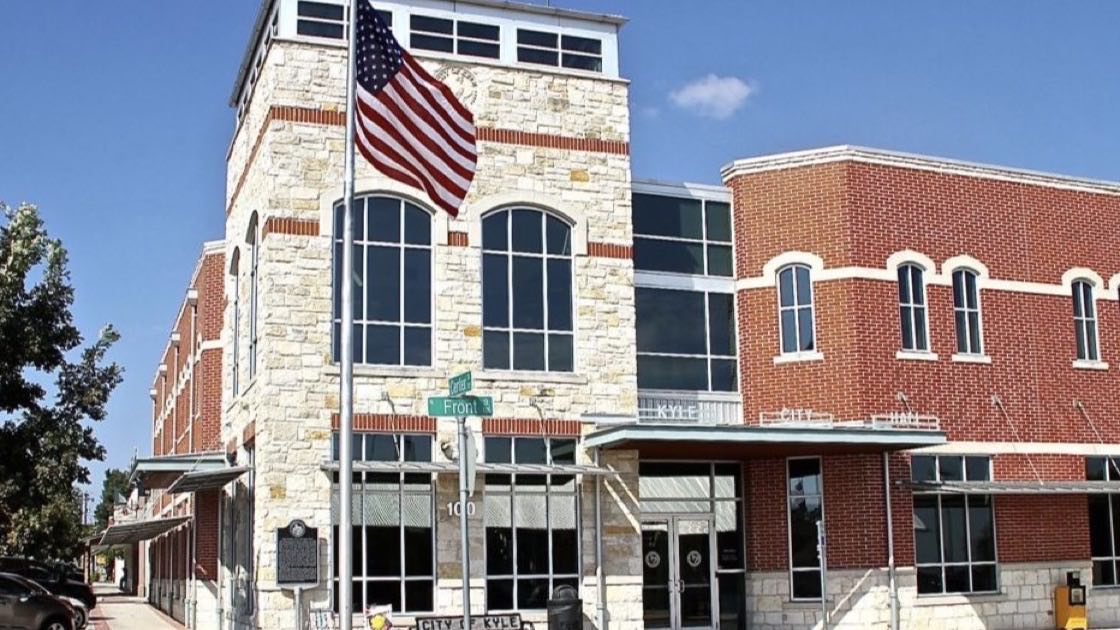
In contrast, the City of Kyle has pursued improvements to its historic center. This article’s headline refers to an earlier investment figure of $19 million since 2003. The City’s FY2025–26 budget presentation later reported approximately $23.8 million of downtown improvements and acquisitions. Public spending can change access and amenities, but it is not a forecast of a private property’s rent or value.

The Downtown Kyle Thesis: Specialized vs. Suburban
The challenge for any fast-growing suburb is creating an authentic sense of place that isn’t just a collection of shopping centers. Kyle’s downtown sits along the original rail line, giving it character, but also logistical challenges like irregular parcel sizes and the barrier of the Union Pacific Railroad.
The city’s comprehensive and Downtown Master Plans recognize that this core cannot compete directly with the massive retail space being developed along FM 1626 or I-35. Instead, the focus is on specialized, experience-based retail, arts, dining, and civic functions. This shift means targeting unique concepts—think destination breweries, specialized cultural centers, or high-end dining—that thrive on atmosphere rather than high traffic volume alone.

Strategic Land Acquisition and Incentives
Public improvements and land assembly can resolve some obstacles, but the benefit depends on the parcel and completed work. Confirm access, utilities, parking, permitted use, and project timing before including a benefit in your acquisition model.
Investors should pay close attention to the zoning and future land use around Center Street and Burleson Street. Test the intended use against the actual parcel and lease plan. A restaurant may need different utility capacity, ventilation, parking, and buildout than a small shop.

The Three Core Risks Investors Must Weigh
No investment is without risk, especially in a long-term revitalization play. In Downtown Kyle, three factors must be carefully evaluated:
- The Rail Barrier: The presence of the active rail line and Center Street congestion can deter traditional commercial traffic. The long-term success of the plan hinges on creating pedestrian-focused connections and mitigating traffic flow.
- Competition: The sheer volume of new retail development in the rest of Kyle (for example, along Kohlers Crossing) means the downtown area must truly offer a distinct experience to draw customers away from convenience.
- Execution Timeline: Revitalization projects are multi-year, multi-million-dollar commitments. Investors must have the capital and patience to withstand the phased construction and development process, which often spans a decade.

When a Downtown Project May Fit an Investor
A successful project could combine a distinctive location and usable public improvements. The residential search tools Kyle homes for sale and Buda homes for sale provide neighborhood context, but they do not measure retail spending or commercial lease demand. Obtain actual lease comparables and test the business use before forecasting a premium.

For a hypothetical small retail space, 6 months without a tenant at $3,000 a month of carrying costs uses $18,000 before buildout and leasing expenses. A buyer with that reserve and a credible tenant plan may accept a longer project. An investor who needs immediate income may prefer an occupied property with a verified lease. That is a more useful choice than treating revitalization as a guaranteed return.
Next Steps for Investors
Whether you’re looking to purchase a historic property for renovation or are seeking new land development opportunities in the heart of Kyle, understanding the local process is critical. If you’re exploring commercial options or considering selling a downtown parcel to the City or a private developer, let’s connect.
- Browse all homes for sale in Kyle and Hays County to gauge residential density and growth trends.
- For neighborhood context only: See recently sold homes nearby.
- For a residential property estimate; commercial valuation requires different evidence: Get your free property valuation.