
TL;DR
- TDI’s new tool shows reported home-insurance actions and reasons in your ZIP code. It cannot determine your coverage or premium.
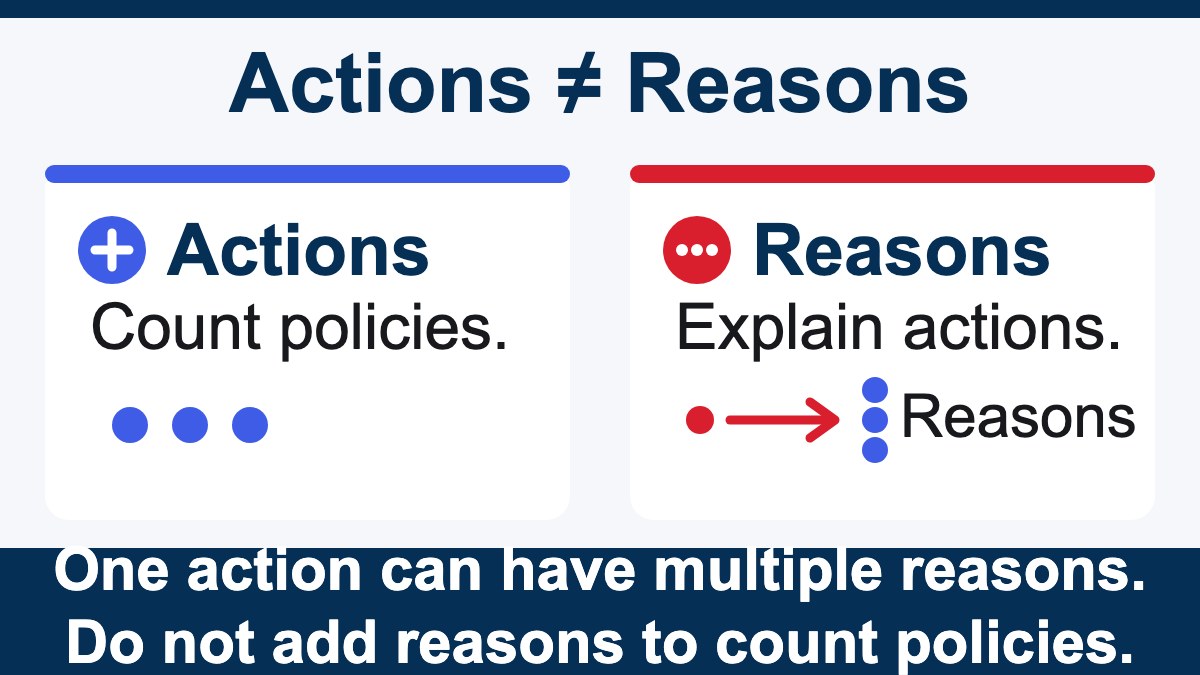
- Use the Actions report to count insurance actions. The Reasons report can include several reasons for the same action.
- Buyers still need property-specific quotes. Homeowners facing cancellation or nonrenewal should save the written explanation and arrange replacement coverage before coverage ends.
If you’re buying an Austin-area home or facing an insurance nonrenewal, Texas has a new resource for understanding what insurers report in your area. The Texas Department of Insurance (TDI) launched its ZIP-code transparency webpage on September 23, 2026.
Use it to prepare better questions. Your housing decision still needs answers for your specific property and applicant: whether coverage is available, what it costs and what conditions apply. An area report cannot settle those questions.
An Austin buyer’s example: context helps, but the quote changes the decision
Imagine a buyer considering an Austin home during the option period—the contract’s limited window for deciding whether to proceed under its termination provisions. This is a hypothetical example, with no actual ZIP-code results or premium assumed.
The buyer checks the property’s ZIP code and reviews reported reasons and actions. That gives them questions to raise with an insurance agent, but it leaves the home’s insurance cost unresolved. They request quotes for the address and their own application before making the option-period decision.
Suppose a quote comes back with acceptable coverage and a cost that fits the buyer’s budget, but the insurer still needs documentation about the roof. The useful next step is to resolve that condition and confirm when coverage can begin. The ZIP report cannot clear it.
If the insurer confirms acceptable terms and timing, the insurance issue may no longer hold up the purchase decision. If the condition remains unresolved or the terms do not fit, the buyer needs to assess available alternatives before the contract deadline. A reassuring area report would not change that conclusion; an unsettling one would not automatically disqualify the home.
What the TDI tool actually reports
The TDI tool and its documentation distinguish these actions:
- Declination: an insurance application was not approved.
- Cancellation: coverage stopped before the policy’s end date.
- Nonrenewal: coverage will not continue after the policy’s end date.
The resource includes active-policy totals, reported action counts and reported reasons. TDI says the data is available by ZIP code and policy type, not by insurance company. It cannot identify which insurer will accept your application or explain why your own insurer acted.
Reporting began April 1, 2026, according to the tool documentation. TDI’s launch announcement says the webpage will be updated at least quarterly. Check the reporting period you select: this is a record of reported activity, not a live quote or a forecast.
How to read the ZIP-code reports without mixing up the numbers
- Choose the relevant ZIP code and policy type. Use the home’s ZIP code and the applicable home-insurance category. The resource also covers auto insurance, so keep the policy type tied to your question.
- Check the reporting period. Keep that period with any result you save. If comparing results, use matching periods and policy types.
- Use Actions for how many actions occurred. This report addresses how many policies insurers declined, canceled or did not renew.
- Use Reasons to understand the explanations reported. An insurer can report multiple reasons for an action. Do not add reason rows together and call the result the number of affected policies.
That distinction comes directly from TDI’s report instructions. The benefit is a clearer view of reported activity in the area. The limitation is that you still cannot match a reported reason to your own home, applicant profile or insurer.

What to do with the result before buying or replacing coverage
For an Austin-area purchase: obtain quotes early enough to evaluate them before your option-period decision. Compare the premium, deductible—the amount you are responsible for under the policy’s terms—coverage limits, exclusions and outstanding conditions. A lower premium is useful only if the coverage and your possible out-of-pocket costs fit your plan. Confirm the intended coverage start date with the insurance provider and any lender requirements with your lender.
This is a practical application of the statewide resource, not evidence of a problem in any particular Austin neighborhood. No Austin ZIP-specific result or premium trend was verified for this article. Buyers with confirmed, acceptable insurance terms do not need to abandon a property simply because the ZIP report contains adverse actions.
For a cancellation or nonrenewal: save the notice and written reason, identify the date coverage will stop, and begin shopping for replacement coverage. If the explanation is missing, request it. TDI says companies must provide a written explanation for a policy declined, canceled or not renewed after January 1, 2026. Its consumer guidance advises shopping and having replacement coverage in place before the existing policy expires. For a cancellation, work from the earlier cancellation date stated in the notice.
Do not wait for the next quarterly ZIP update to resolve a coverage deadline. Once replacement terms are acceptable, confirm that coverage is arranged to begin when needed. Keep the new policy documents and review the terms again at renewal; today’s ZIP report does not settle the next renewal decision.
Frequently asked questions
Does a higher action count mean a ZIP code is harder to insure?
The count alone does not establish that. It records reported actions for the selected area, period and policy type; it does not tell you your probability of approval. TDI also provides active-policy totals, but those totals do not turn the report into an individual eligibility assessment. Use the data to frame questions, not to rank homes by an assumed chance of rejection.
What if I believe the cancellation or nonrenewal was unfair?
TDI says you may file a complaint. Keep the written reason and relevant communications so you can explain the disputed action. Continue arranging replacement coverage while pursuing the issue; filing a complaint is not confirmation that your coverage will continue.
Sources
- TDI: Launch of the home-insurance transparency tool, September 23, 2026.
- TDI: Reasons home and auto insurance policies are declined, canceled or not renewed, tool and report instructions; checked September 28, 2026.
- TDI: Home insurance canceled or not renewed, updated January 15, 2026.
Recommended reading
- Buying an Older Austin Home? Get the Insurance Quote Before the Option Period Ends
- Austin Homes Are Easier to Negotiate in 2026. Are They Easier to Afford?
Weighing an Austin-area purchase with insurance questions still open? Contact Vladimir Baibus · ATXCasa, LPT Realty for help organizing the property questions and purchase deadlines so you can evaluate the insurer’s answers before deciding whether to proceed.