
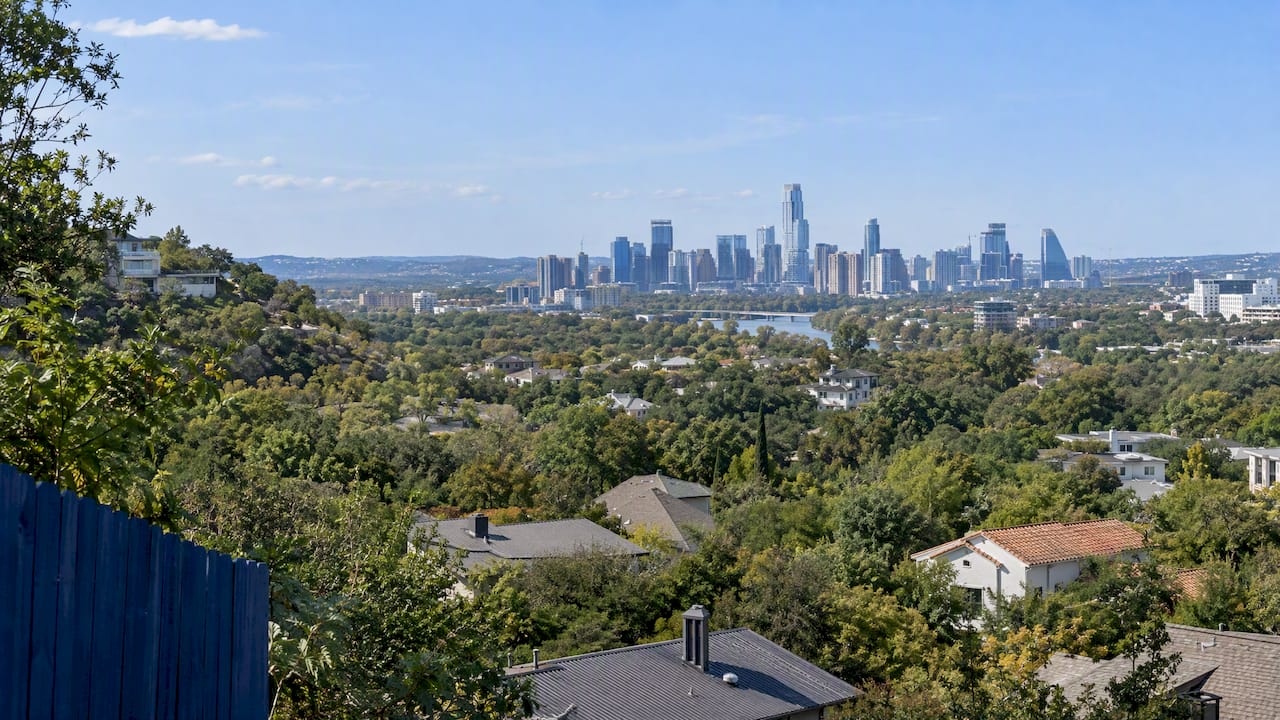
West Austin is not one neighborhood. Locals generally use “west of MoPac” as the dividing line, and inside that line you will find historic bungalow streets near downtown, lakefront estates, hill country subdivisions and master-planned communities with very different prices, commutes and risk profiles. This guide sorts them into practical groups so you can decide which part of West Austin fits your budget and your daily routine, and what to verify before you make an offer.
TL;DR
- “West Austin” usually means everything west of MoPac (Loop 1). It spans at least four distinct types of area: central-west historic, lakeside, hill country and far-west suburban.
- Old West Austin and Tarrytown offer the shortest trips downtown. Westlake, Rollingwood and Barton Creek trade commute time for larger lots and, in many cases, a different school district.
- Flood and wildfire risk reach well beyond the mapped floodplain, so review city and county hazard resources as part of due diligence, next to your inspection.
- Published median prices in small, low-inventory neighborhoods swing widely. Ask for recent sold comparables on the specific street, not a neighborhood average.
Table of Contents
- What counts as West Austin
- Central-west historic neighborhoods
- Lakeside and creekside enclaves
- Hill country and far-west communities
- How the main areas compare
- Flood and wildfire: what West Austin buyers should check
- Our perspective: how we would shop West Austin
- Compare West Austin with the rest of the city
- Work with ATXCasa
- FAQ
- Sources
What counts as West Austin
The common local shorthand is simple: east of I-35 is East Austin, and anything west of MoPac is West Austin. The shorthand is useful for conversation but too blunt for a home search. The City of Austin itself treats the area as separate planning areas, such as Central West Austin and Old West Austin, each with its own neighborhood plan and zoning priorities aimed at managing change as the city grows.
For buying decisions I split West Austin into four groups:
- Central-west historic neighborhoods, close to downtown and Lady Bird Lake.
- Lakeside and creekside enclaves, where water access and lot size drive value.
- Hill country subdivisions, with larger lots, views and more vegetation.
- Far-west and northwest communities, often newer and organized around amenities.
A neighborhood can belong to more than one group, and school boundaries and city limits do not always match what a listing headline suggests. Treat the groups as a starting filter, then verify the address.
Central-west historic neighborhoods
Old West Austin
Old West Austin is generally described as three neighborhoods: Bryker Woods, Pemberton Heights and Old Enfield. It sits just north of Lady Bird Lake and west of downtown, which is why buyers who want a short trip to the Capitol complex, the University of Texas or downtown offices look here first. The streets are tree-lined, lots are established, and many homes date from the early to mid twentieth century.
What many buyers miss is how deliberately the area is regulated. The Old West Austin neighborhood plan states that the neighborhood will come under pressure to change as the city changes, and the planning framework behind it (including limits such as building height and garage placement rules) is meant to preserve residential character. If you plan to renovate or expand, read the applicable rules before you assume a teardown or addition is possible.
Tarrytown
Tarrytown is one of the best-known West Austin names, sitting between MoPac and Lake Austin with quick access to downtown. It mixes mid-century ranch homes, renovated properties and new builds, and it is popular with buyers who want a central address with more space than most urban neighborhoods offer.
My read: Tarrytown is where I most often tell buyers to check school assignment street by street. Zones and attendance boundaries in this part of town can differ between adjacent blocks, and that can affect both your daily life and resale. Confirm the assigned campus with the district before you write an offer, not after.
Clarksville, West Line and the downtown edge
Clarksville, the West Line Historic District and nearby pockets are the most walkable parts of the west side. They suit buyers who want restaurants, Lake Austin Boulevard and the Lady Bird Lake trail close by, and who accept smaller lots and, in some cases, tighter parking. Expect older homes, which makes a thorough inspection and an insurance quote before your option period ends more important.
Lakeside and creekside enclaves
Rollingwood
Rollingwood is a small, independent city surrounded by Austin, tucked between Barton Creek and the Lake Austin area. Its appeal is simple: a short drive to downtown, a residential feel and very limited supply. The same scarcity creates a data problem. With few homes for sale at any time, a single teardown sale or a fully renovated estate can move the reported median a lot. Judge the market by a handful of comparable sales, not by a headline number.
West Lake Hills
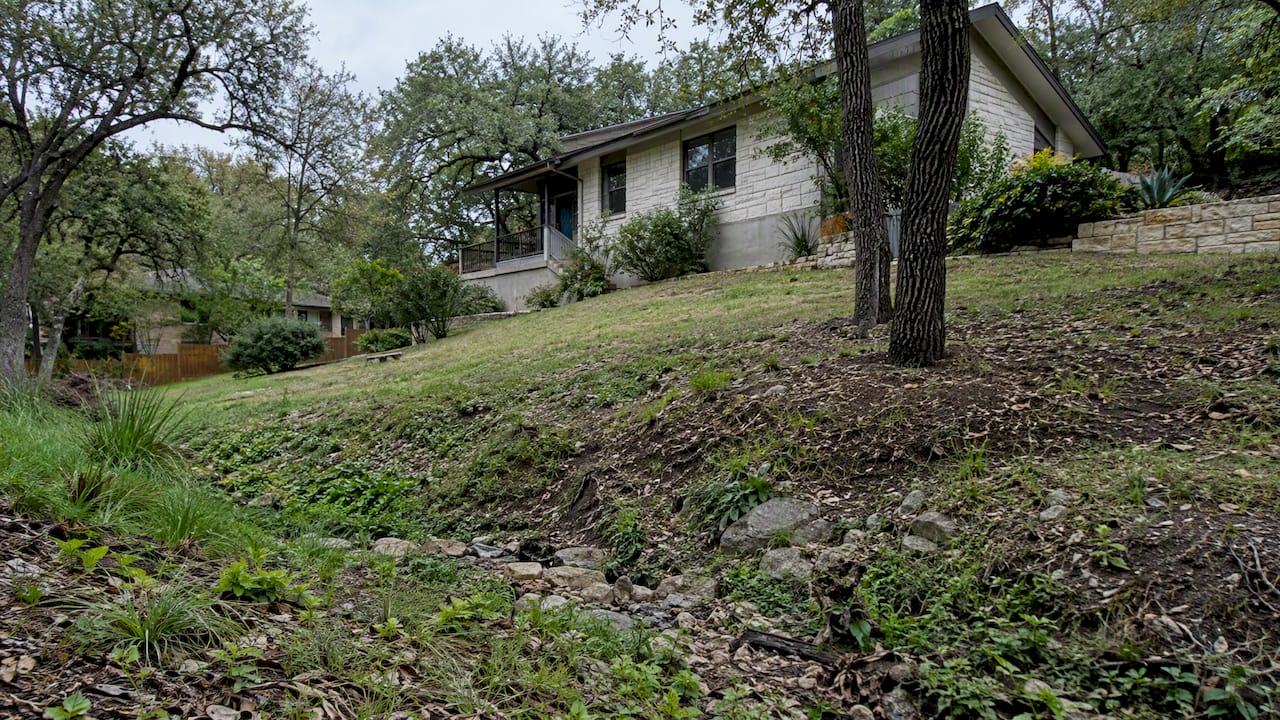
West Lake Hills is another separate city, larger in lot size and more hilly. Buyers come for privacy, views and access to the Westlake school system. The trade-off is that many homes sit on slopes and near drainage paths, so grading, foundation conditions and drainage deserve extra attention in the inspection.
Barton Creek
Barton Creek is a large area on the southwest side of the city, built around golf, greenbelt access and the creek corridor. It includes a wide range of property types, from condominiums to large estates, which is exactly why published medians for it vary so much from source to source. Define the exact subdivision before you compare prices.
Lake Austin and Hudson Bend
Properties on or near Lake Austin, and the Lake Travis side communities such as Hudson Bend, are priced for the water. Docks, shoreline rules, lake level and flood exposure all matter, and they vary by individual lot. Pools are common here, and a separate check of the pool and its equipment is a sensible addition to the standard home inspection. As an example of what a dedicated pool compliance check involves, this pool inspection guide for property sales and purchases explains the process in an Australian context. Requirements differ in Texas, so ask your inspector and the local jurisdiction what applies to your address.
Hill country and far-west communities
Westlake and Eanes ISD areas
Many buyers searching West Austin are really searching for the Eanes school district. Westlake High School is ranked fifth among Austin metro high schools by U.S. News, which helps explain why homes in the district command a premium. Rankings are one input and change from year to year, so visit the campus, review state accountability data and confirm the zoned school for the exact address.
Davenport Ranch, Treemont, Seven Oaks and Rob Roy
These established subdivisions appear on most West Austin lists. They tend to offer larger lots, mature trees and a quieter setting, while still reaching MoPac or Loop 360 within minutes. Because each has its own homeowners association rules, ask for the HOA documents early: dues, architectural controls and rental limits can matter as much as the house itself.
Steiner Ranch, River Place, Lost Creek and Bee Cave side
Farther northwest and southwest, you find communities with parks, trails and community amenities. Commutes are longer and more car-dependent, particularly at peak hours on RM 2222, Loop 360 and Highway 71. Test the drive at the times you would actually make it before you commit.
How the main areas compare
The table below is a qualitative comparison, built from the character of each area rather than from a single price survey, since figures change month to month.
| Area | Setting | Downtown access | Typical trade-off |
|---|---|---|---|
| Old West Austin | Historic, tree-lined | Very short | Older homes, renovation rules |
| Tarrytown | Central, near Lake Austin | Short | School boundaries vary by street |
| Clarksville / West Line | Walkable, urban | Very short | Small lots, older housing |
| Rollingwood | Small city, residential | Short | Very limited inventory |
| West Lake Hills | Hilly, large lots | Moderate | Slopes and drainage |
| Barton Creek | Golf and greenbelt | Moderate | Wide price range |
| Steiner Ranch / River Place | Planned, suburban | Longer | Car dependence, peak traffic |
Flood and wildfire: what West Austin buyers should check
The City of Austin says every creek and lake has a floodplain whether it is mapped or not. Its Floodplain Management guidance also says Central Texas is experiencing heavier rainfall and that severe flooding is more likely than previously thought. Use the City’s address-level floodplain tools as a starting point, then review drainage, loss history and coverage availability for the specific property. The link labeled “hazard mitigation risk index” does not provide this floodplain guidance.
Wildfire matters too. Austin’s Community Wildfire Protection Plan notes that the 2011 Labor Day wildfires burned about 7,000 acres in Travis County and destroyed 57 homes. Travis County also describes wildfire as a significant and serious threat to life and property, with drought and flammable vegetation as contributing factors.
A practical checklist before you offer:
- Look up the flood zone and read how rainfall data was updated. We explain the process in our guide to checking flood zones after the Atlas 14 remapping.
- Review the wildfire plan for the area, particularly for homes bordering greenbelts, preserves or dense cedar and oak.
- Get insurance quotes before your option period ends. Premiums and availability can change the real cost of a home.
- Inspect drainage and grading, especially on hillside lots and near creeks.
- Ask the seller about past water intrusion, claims and any defensible-space work.
If you are comparing a lot near a creek with one on higher ground, the difference in insurance and mitigation costs can offset a lower list price.
Our perspective: how we would shop West Austin
We approach West Austin as a set of distinct markets, not one. Our work centers on local data: sold prices, months of inventory, close-to-list ratios and the days a home spent on the market, read at the street or subdivision level. In small neighborhoods those figures are volatile, so we look at several sales rather than a single average, and we say plainly when the sample is too thin to trust.
Our advice for different readers:
- First-time buyers: West Austin is a stretch for many budgets. Compare the central-west condos and smaller older homes with nearby areas where the price per square foot is lower. Our Austin neighborhood price patterns analysis shows what sold homes reveal about value.
- Families: decide the school question first, because it narrows the map faster than any other filter. Verify zoning by address.
- Investors: strict zoning and historic-character rules in places like Old West Austin limit what you can change. Study the rules before you model a renovation or addition.
- Sellers: in low-inventory enclaves, pricing depends on close comparables and presentation, and our approach combines AI-assisted marketing for exposure with data-driven pricing.
The most expensive mistakes we see happen when buyers fall for a neighborhood name and skip address-level checks: school zone, flood exposure, insurance, HOA rules and commute at real hours.
— Vladimir
Compare West Austin with the rest of the city
If the west side is above your budget or your commute tolerance, widen the search. We have written buyer’s tours for other parts of town: South Austin neighborhoods, where price gaps between adjacent areas can be large; North Austin neighborhoods, from the inner north to the suburbs; and East Austin’s 78721 and 78722. For a central neighborhood close to the west side’s edge, see our Zilker neighborhood guide. More are collected under Neighborhoods & Lifestyle.
Work with ATXCasa
If you are narrowing a West Austin search, we can pull sold data for the specific streets you are considering, flag flood and wildfire questions early and walk you through the offer. Vlad Baibus brings nearly two decades of IT experience to Austin-area buying, selling and investing. Start at atxcasa.com and tell us your budget, timeline and must-haves.
FAQ
What area is considered West Austin?
Most locals mean anything west of MoPac (Loop 1). That includes central-west neighborhoods such as Old West Austin and Tarrytown, lakeside areas, and hill country communities toward Westlake, Bee Cave and Steiner Ranch. Some are separate cities, such as Rollingwood and West Lake Hills.
What are the most desirable West Austin neighborhoods?
Desirability depends on your priorities. Tarrytown and Old West Austin are favored for central access, Rollingwood and West Lake Hills for lot size and schools, and Barton Creek for greenbelt and golf. All of them tend to be among the higher-priced parts of the metro.
Is West Austin safe from flooding and wildfire?
No area is risk-free. Flood risk extends beyond mapped floodplains, and wildfire risk is higher for homes near wildland vegetation. Check the city’s hazard resources, get an insurance quote and ask your inspector about drainage before you commit.
How do I check the school zone for a West Austin home?
Contact the school district with the exact address. Boundaries can differ between neighboring streets, especially in Tarrytown, so do not rely on a listing description or neighborhood name.
Sources
- Old West Austin Neighborhood Plan, City of Austin
- Risk Index, Austin Emergency Management
- Austin/Travis County Community Wildfire Protection Plan
- Wildfire Information & Resources, Travis County
- Westlake High School, U.S. News