

TL;DR
- Most corrected Closing Disclosures do not require another 3-business-day wait.
- A new wait applies when the APR becomes inaccurate under the applicable rule, required loan-product information becomes inaccurate, or a prepayment penalty is added.
- A lower APR alone does not establish that the prior APR was inaccurate. Ask the lender which category applies before making moving, wire, or possession commitments.
If you are buying an Austin-area home and a corrected Closing Disclosure arrives just before closing, the correction alone does not mean you must reschedule. The Closing Disclosure summarizes your mortgage terms and closing costs. What changed determines whether a new waiting period applies.
The Consumer Financial Protection Bureau’s guidance distinguishes most corrections from three changes that require a fresh 3-business-day wait. Classifying the change correctly can avoid an unnecessary disruption while preserving time to review materially changed loan terms. Even without a new required wait, confirm that the lender and title company can meet the planned schedule.
A lower rate and a changed loan product have different timing consequences
Consider a hypothetical Austin buyer who has already received the initial Closing Disclosure and is preparing to move. A corrected disclosure arrives because the interest rate decreased. Assume the prior annual percentage rate, or APR, and finance charge were overstated, but the prior APR remains accurate under the applicable Regulation Z tolerances. APR expresses borrowing cost as a yearly rate that includes certain charges; the finance charge expresses borrowing cost in dollars.
Under those assumptions, CFPB says the creditor—the lender—may provide the correction at or before consummation, the point when the borrower becomes contractually obligated on the loan. That correction does not require a new 3-business-day wait. The buyer can ask whether the existing schedule remains workable instead of automatically postponing the move.
Now change the reason for the correction: assume the required loan-product information has become inaccurate. For example, the disclosure described a fixed-rate loan, but the loan is changing to an adjustable-rate mortgage, whose interest rate can change over time. This falls within a triggering category. The lender must ensure the buyer receives the corrected disclosure at least 3 business days before consummation. The buyer needs a confirmed revised timing assessment before relying on the original plans.
These are classification examples, not promised closing dates. The lower-rate example depends on the prior APR remaining accurate under the applicable tolerances; a decrease alone is not enough to reach that conclusion. Both outcomes follow the CFPB’s corrected-disclosure guidance.
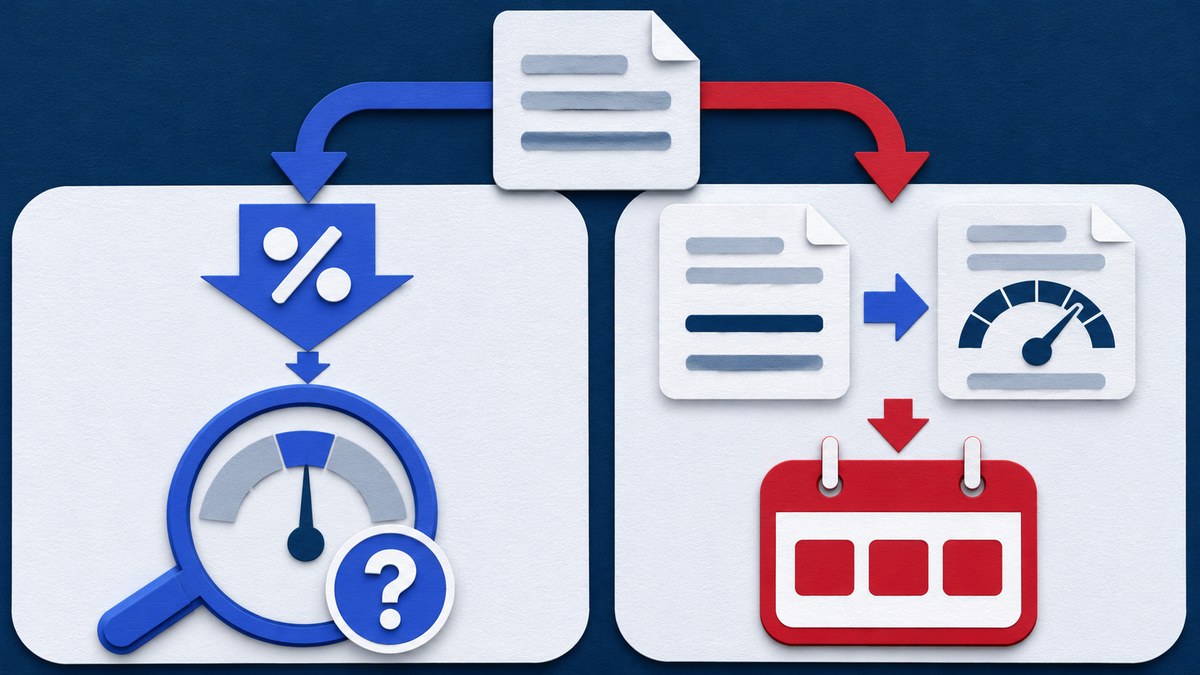
The three changes that require a new waiting period
CFPB identifies these exceptions to the general treatment of corrections:
- The APR becomes inaccurate. Whether it is legally inaccurate depends on the applicable Regulation Z tolerances and the loan facts. A different displayed APR does not, by itself, settle the question.
- Required loan-product information becomes inaccurate. A correction describing a different loan product can affect how the borrower’s loan works after closing.
- A prepayment penalty is added. This is a charge for paying off the loan early under specified conditions. Adding one triggers the new waiting period.
For any of those changes, the corrected disclosure must be received at least 3 business days before consummation. For most other changes, the lender may provide the correction at or before consummation without another 3-business-day wait. That is the distinction in the CFPB FAQ; it does not mean an ordinary correction should go unread.

Confirm the category, then coordinate your Austin closing
This is national federal guidance for covered mortgage transactions, including those involving Austin-area borrowers. The practical local application is coordinating the lender’s timing with your title appointment and plans for taking possession.
- Identify the actual change. Compare the corrected disclosure with the earlier version. Ask the lender to explain any changed loan terms or costs you do not understand; the absence of a new wait does not tell you whether the revised terms fit your budget.
- Get the lender’s classification. Ask: “Does this correction make the APR inaccurate under the applicable Regulation Z tolerances, make required loan-product information inaccurate, or add a prepayment penalty?” If the APR decreased, ask whether the prior APR remains accurate under those tolerances.
- Confirm the receipt-based schedule. Ask what receipt date and earliest consummation date the lender is using. Then confirm the appointment with the title company and address any conflict with the purchase-contract date with your agent before making moving, wire, or possession commitments.
A confirmed schedule also does not verify payment instructions. If those change, use the separate steps in New Wire Instructions Before Your Austin Closing? Verify Them Before Sending Money before sending funds.
Frequently asked questions
Does a new waiting period automatically extend my purchase contract?
Do not assume it does. The CFPB guidance addresses mortgage consummation timing, not an automatic extension of your purchase contract or contractual remedies. If the lender’s schedule conflicts with your contract, identify the conflict promptly with your agent and obtain legal advice about contract rights when needed.
Is this a new mortgage rule for Austin in 2026?
No. The CFPB FAQ used here was updated January 25, 2019 and checked in the supplied evidence on November 23, 2026. It is longstanding federal guidance, not a new Austin rule or evidence of how often local closings are delayed.
Sources
- Consumer Financial Protection Bureau: TILA-RESPA Integrated Disclosure FAQs — corrected Closing Disclosures, waiting-period triggers and the APR-overstatement example. Updated January 25, 2019; checked November 23, 2026.
Need help coordinating an Austin-area purchase after your loan disclosure changes? Contact Vladimir Baibus · ATXCasa, LPT Realty to organize the lender and title-company questions and identify any conflict between the confirmed loan schedule and your planned move.