
TL;DR
- TDI says an insurer cannot decline or nonrenew a home policy solely because the house or roof is old. Physical condition can still affect the decision.
- For a policy declined, canceled, or not renewed after January 1, 2026, TDI says the company must provide a written statement explaining why.
- Clarify an age-only reason while shopping for replacement coverage. Have a new policy in place before the current policy expires.
- The September 2026 proposal clarifies TDI’s stated existing prohibition; it is not a newly effective protection.
If an insurer tells you your Austin-area home’s roof is “too old,” the useful next question is whether it means age alone or a specific physical problem. That distinction can change whether you challenge the explanation or investigate a condition concern. Either way, keep arranging coverage while you resolve it.
In its September 29, 2026 announcement, the Texas Department of Insurance (TDI) says companies cannot decline or not renew a home policy based solely on the age of the house or roof. TDI also says companies may base decisions on physical condition. Its consumer guidance supplies the written-reason and replacement-coverage steps above.
Two roofs of the same age can raise different questions
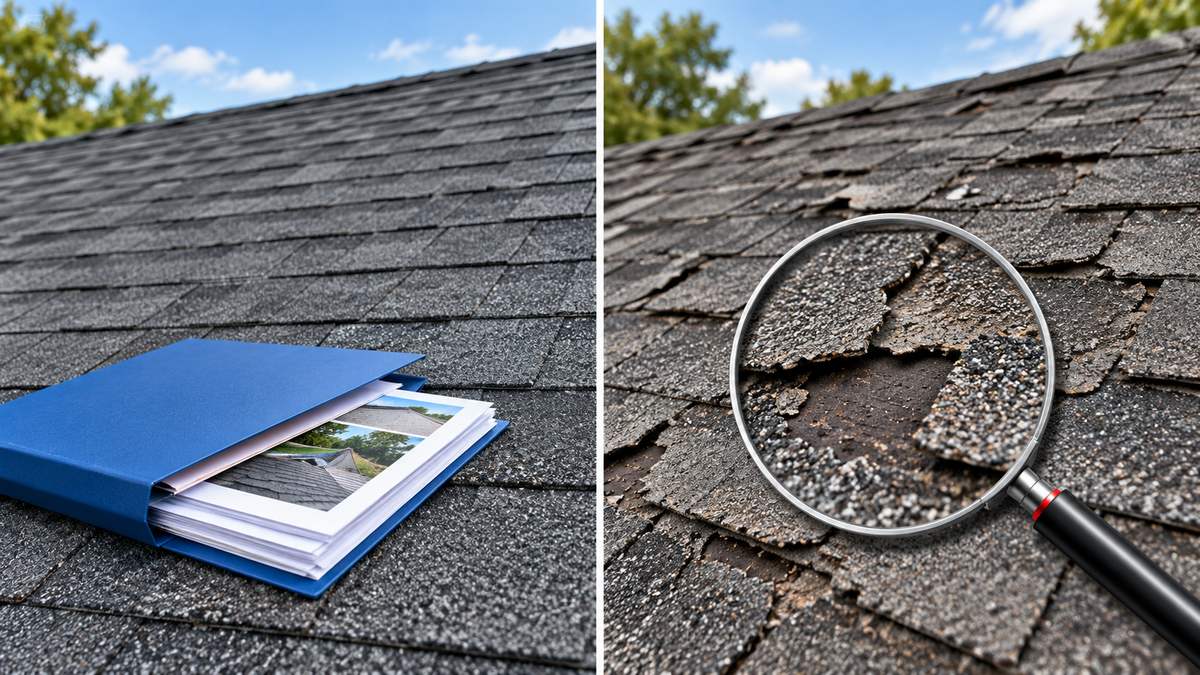
Consider an illustrative comparison of two Texas homes, each with a roof reported as 18 years old. This example assumes no particular insurer, price, policy terms, or coverage outcome.
Home A: The owner has dated maintenance records, and the insurer’s stated reason identifies no current defect—only the roof’s age. The useful response is to obtain the written reason and ask whether the insurer is relying solely on age or has identified a physical-condition concern. A missing defect in the explanation does not prove the roof has no defects.
Home B: The insurer’s stated reason identifies documented damage or deterioration. Here, the owner should clarify that condition concern and what information would allow the insurer to reconsider. Arguing only that age cannot be the reason does not address the documented problem.
Under TDI’s distinction, these are different reasons even though the roofs have the same reported age. Neither example establishes that the home must be accepted or rejected. Both owners should shop for coverage while clarifying the decision.
What the September proposal does—and what remains unchanged
As of October 3, 2026, the linked amendment to 28 TAC §21.1006 is a proposal, not an adopted amendment shown as effective. TDI says the proposed wording clarifies the existing prohibition and does not change the rule’s meaning or application. Homeowners should not read the announcement as a new ban that only starts protecting them after the proposal is adopted.
The proposal expressly names components and materials, including roofing, while preserving physical condition as a permitted basis for a decision. TDI’s announcement also identifies wiring, HVAC, plumbing, and siding as components whose physical condition may matter. In plain language, the insurer’s assessment of whether to offer coverage can consider how the property is holding up, even though years alone are not the same thing as deterioration.
The proposed text concerns residential property insurance, defined there as homeowners policies or residential fire and allied lines policies. It also preserves specified Texas Windstorm Insurance Association building-code standards tied to construction, repair, or addition dates. That limited provision is not a general exception allowing age-only refusals.

How to respond without losing time to arrange coverage
- Save the notice and get the written reason. For a policy declined, canceled, or not renewed after January 1, 2026, TDI says the company must provide a written statement telling you why. Request it if it was not provided. The wording helps you identify which problem you need to address.
- Ask what condition, if any, supports the decision. If the stated reason is age, ask the insurer or agent whether it is instead relying on a specific physical-condition concern. You can request the factual basis, but the reviewed TDI guidance does not promise access to inspection photographs or all underlying underwriting records.
- Gather records that address the stated concern. Dated maintenance, repair, and inspection records, where available, can help distinguish the home’s present condition from its age. If damage is cited, ask what condition information or work the insurer would consider in a reassessment before treating a repair or replacement expense as a route to approval. Records or completed work do not guarantee acceptance.
- Shop while the explanation is being resolved. TDI advises having a new policy in place before the current policy expires. Treat obtaining replacement coverage and disputing the reason as parallel tasks; do not assume the dispute keeps the existing policy in force.
- Use TDI’s complaint route when its stated condition applies. If you think a cancellation or nonrenewal was unfair, TDI says you may file a complaint. Its consumer guidance explains the route, and its Help Line is 800-252-3439. A complaint is not a promised reversal or a substitute for arranging coverage.
This is statewide guidance that applies to Austin-area homes as Texas residential properties. It does not establish how often Austin insurers use age-only reasons or which local homes will qualify.
Frequently asked questions
What if multiple companies refuse to insure my home?
If at least two companies refuse to insure the home, TDI says the Texas FAIR Plan may be available as an insurer of last resort. Eligibility and terms still require verification; two refusals do not automatically secure a policy. Use TDI’s consumer guidance to explore that option.
Does this mean an insurer must pay to replace an old roof?
No. The TDI announcement addresses decisions about offering or continuing insurance. It does not promise roof replacement, a particular claim payment, lower premiums, or specific coverage terms. Those are separate questions to resolve for the actual policy and circumstances.
Sources
- TDI: Texas homeowners protected from being denied insurance based on roof age — September 29, 2026.
- TDI: Proposed amendment to 28 TAC §21.1006 — issued September 29, 2026; proposed status checked October 3, 2026.
- TDI: Was your home insurance canceled or not renewed? — updated January 15, 2026.
Recommended reading
- Buying an Older Austin Home? Get the Insurance Quote Before the Option Period Ends
- Texas Home Insurance Trouble? How to Use TDI’s New ZIP-Code Transparency Tool
If a roof-age insurance concern is affecting an Austin-area purchase or sale, contact Vladimir Baibus · ATXCasa, LPT Realty for help organizing the property questions and transaction timing to discuss with your insurance agent before deciding whether to move forward.