
TL;DR
- Austin’s proposed technical-code update could simplify plan review for qualifying three- and four-unit buildings. The City announcement checked November 11, 2026 describes a proposal, not an effective rule.
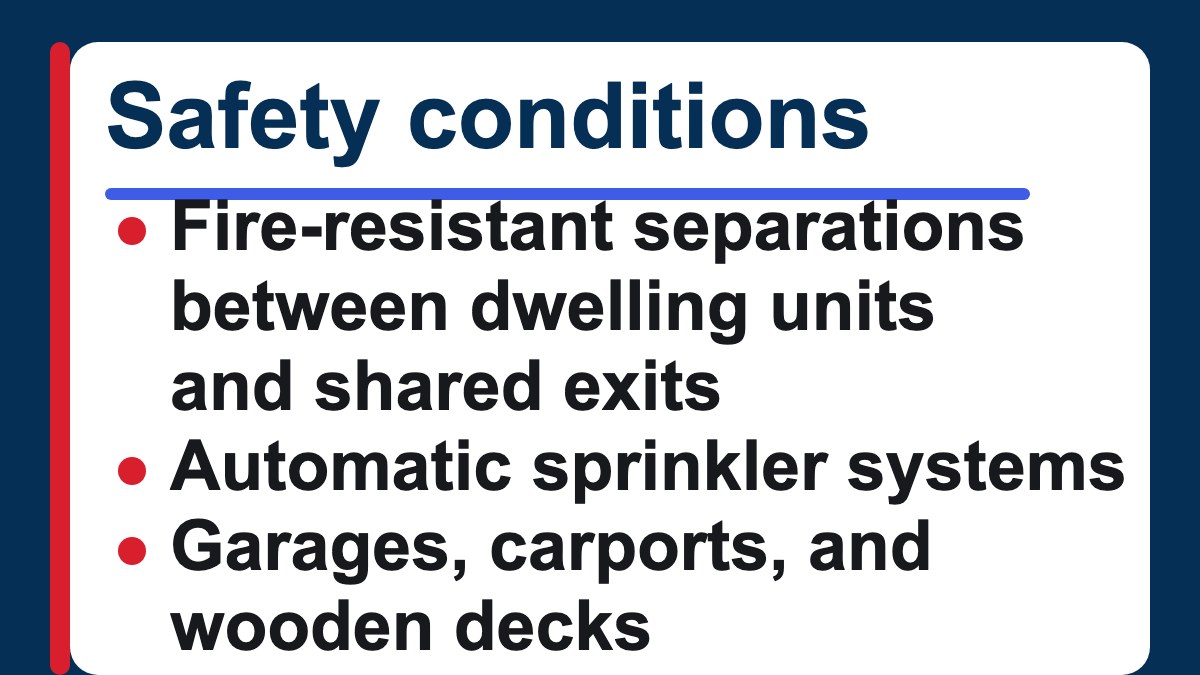
- The proposed conditions include a 6,000-square-foot maximum building size, fire-resistant separations, automatic sprinkler systems and additional fire-safety requirements for garages, carports, and wooden decks.
- Written comments are accepted through November 27, 2026; staff plans Council consideration in December. Before relying on the reduced review path, confirm the final adopted action and applicable City requirements for your project.
If you are planning an Austin building with three or four dwelling units, the practical question is whether you can budget and prepare plans around simpler City review. For now, treat that route as a possibility. The City’s announcement describes a pending proposal; assuming it already applies could leave your budget or submission plan missing required work.
A four-unit example: the size cap is only the first check
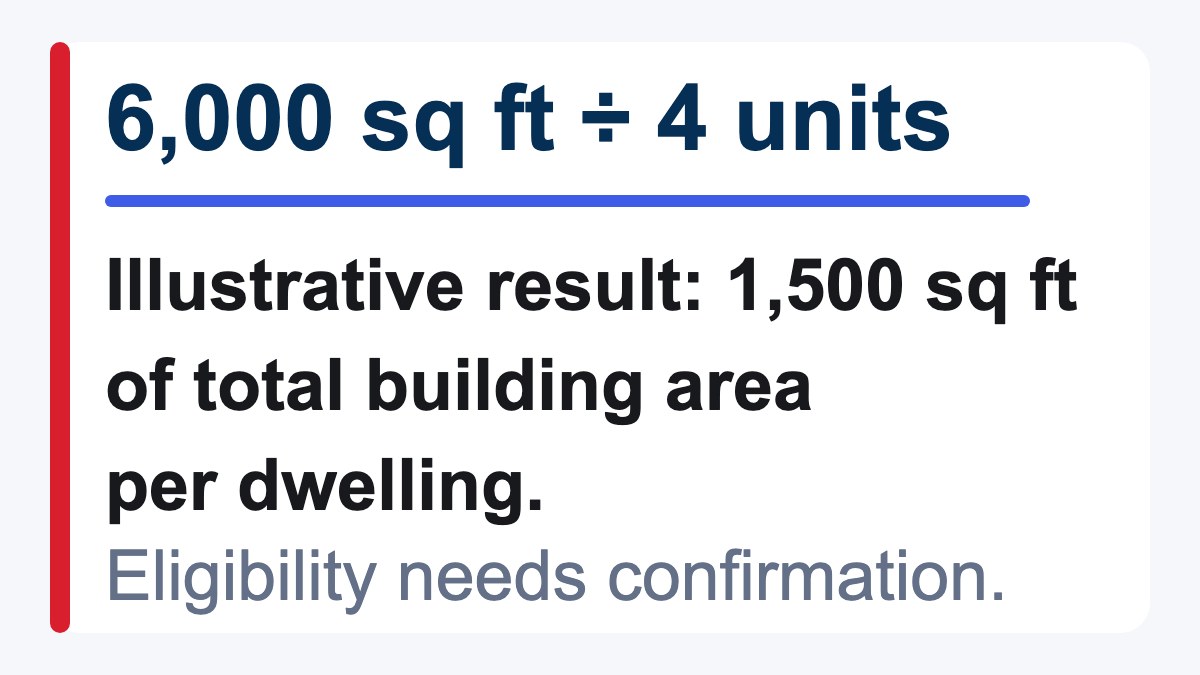
Suppose you are considering an Austin four-unit building with 6,000 square feet of total building area. Divided evenly, that is 1,500 square feet of total building area per dwelling—not a verified measure of usable interior space. This is an illustrative project, not an approved design.
The assumed total matches the proposal’s stated maximum building size. That alone does not establish eligibility: the proposal also describes fire-resistant separations between dwelling units and shared exits, automatic sprinkler systems, and additional fire-safety requirements for garages, carports, and wooden decks. Those conditions come from the City’s proposal summary, which does not establish every eligibility condition.
The decision changes only after you confirm the final adopted code and the City’s project-specific requirements. Until then, do not remove currently required review work from this hypothetical project’s budget simply because it meets the proposed size cap.
What Austin proposes to change
Technical codes govern building requirements; a plan review is the City’s examination of submitted project plans. According to the Development Services announcement, three- and four-unit buildings currently follow the International Building Code, with reviews that include commercial-grade engineering and site-plan review. The City says those reviews would no longer be required for these structures under the proposal, provided the safety requirements are met.
That could simplify the review work for a qualifying project. It does not establish a permit-free building path or eliminate the proposed safety conditions. The announcement provides no construction-cost, processing-time or approval-probability estimate, so there is no supported dollar saving or completion date to put into a project budget.
The local distinction matters: this announcement concerns Austin’s technical-code treatment of a building with three or four dwelling units. It does not establish that a particular lot permits your proposed project. Treat the permitted use and unit count on the property as a separate question from which building-review process applies.
Proceed under current requirements or wait for clarity?
If you need to submit plans before the proposal’s outcome is known, base the submission and budget on the City-confirmed requirements applicable to your project. This lets you plan around an identified review path, although you may incur review work that a later amendment could change.
If your project is still conceptual and the schedule is flexible, it may be sensible to defer decisions that depend specifically on the reduced review path until the Council outcome is clear. The benefit is better information before committing to those decisions; the cost is delay, with no guarantee that Council will adopt the proposal as described or make it applicable to your project.
What to check before December—and after Council acts
The City says written comments will be accepted through November 27, 2026, and staff plans to present a code amendment for City Council consideration in December. That is a planned consideration window, not an adoption or effective date. Use the official announcement to access the proposal and commenting instructions.
- Before commenting: Identify the proposed provision that affects your design or review plan. Explain the building’s unit count, total building area and relevant features so your question addresses a concrete application.
- Before committing to a review assumption: Have your design team identify how the project would address the 6,000-square-foot maximum building size, fire-resistant separations between dwelling units and shared exits, automatic sprinkler systems, and additional fire-safety requirements for garages, carports, and wooden decks. This checks the described conditions; it does not confirm eligibility.
- After Council consideration: Confirm whether an amendment was adopted, its final wording and effective date, and the applicable City requirements for your project. Only then revise the review scope, budget or submission plan to reflect a path the City confirms applies.
Frequently asked questions
Does a plan for four separate homes on one lot qualify?
The announcement describes buildings with three or four dwelling units. A lot’s total home count alone does not establish that it falls within that description. Confirm how the final code treats your particular building arrangement before applying this proposal to it.
Would an amendment automatically change a project already submitted?
The supplied City announcement does not establish how existing applications would be treated. If you have already submitted plans, ask Development Services which requirements govern that application before changing the submission or canceling planned review work.
Sources
- City of Austin Development Services: Austin Seeks to Simplify Code Requirements for Some Multifamily Buildings. Source evidence checked November 11, 2026. Describes the proposal and planned process, not an enacted ordinance.
Recommended reading
- Considering Austin’s Citywide Density Bonus? Start With the Zoning-Approval Path
- Austin ADU Potential: What Buyers Must Verify Before Paying Extra
Considering an Austin property for a three- or four-unit project? Contact Vladimir Baibus at ATXCasa to discuss how confirmed requirements and unresolved development assumptions affect your property choice, and identify the project-specific questions to take to your design team and the City. Vladimir Baibus · ATXCasa · LPT Realty.